

Manipulative communication
Advertising has us chasing cars and clothes, working jobs we hate so we can buy shit we don’t need. We’re the middle children of history, man. No purpose or place. We have no Great War. No Great Depression. Our great war is a spiritual war. Our great depression is our lives. We’ve all been raised on television to believe that one day we’d all be millionaires, and movie gods, and rock stars, but we won’t. And we’re slowly learning that fact. And we’re very, very pissed off, Fight Club (film)
It is very important to be aware of the persuasive and perversive power of advertising in our society. For example, you should know that big corporations and many companies spend big money on advertising aimed at children, and more specifically, at their diet. Let me be even more specific, I am talking about sugary cereals, salty snacks, fast food, and fizzy drinks. 
They know that children are unaware of the persuasive power of advertising and then children encourage their parents to buy them those advertised products regardless of whether they are unhealthy, pricey, or both. They use them as brand ambassadors!
Advertising is ubiquitous. It is present in the life of almost every human being in the world, in almost every aspect of our daily lives. It includes: television and radio commercials; sites, apps, search engines, video sharing services, and social media; billboards and street furniture; magazine and newspaper print ads; store catalogues; sponsorship of events, teams, and leagues; famous celebrities endorsing commercial products, even operating systems like Windows 10/11 are nothing more than a vehicle for advertisements.
Furthermore, zapping, ad blocker plugins, video-recording devices and their option of fast-forwarding through commercial breaks are making commercial interruptions less and less effective. However, the industry is always fighting back. For instance, they use on-line advertising (web banners, email marketing, video sharing services, and social media), app advertising, and product placement. This is the inclusion or reference of products, services, and trade marks in TV shows, series, video games, and films: Home Alone (Pepsi), E.T. (Reese’s Pieces), I-Robot (Converse), etc.
What can we do?
- We should establish time limits on television, social media, video sharing services, and video games, especially amongst kids and teenagers. Televisions, tablets, and computers should be removed from all bedrooms because they disturb our sleep and make it almost impossible for us to monitor their use. We should watch pre-recorded programs and skip commercial breaks.
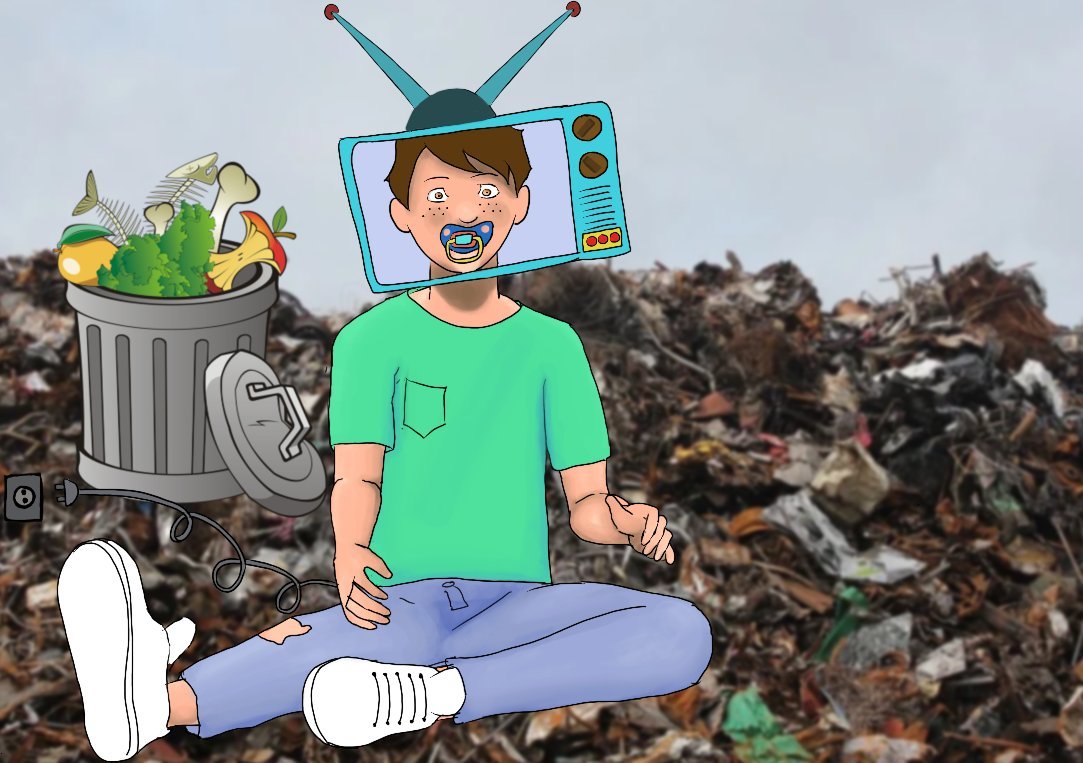
The computer, tablet, video game console or television are not nannies or babysitters! Moreover, they are not a family member either.
It is very important to rationalize their use, for example, we need to set limits for watching television or playing video games. Parents should control the content of the programs their children are watching and the amount of time they are spending watching TV, video sharing sites and apps. Don’t turn the television on unless there is a specific program you want to see. Turn it off afterward.
- Watch some TV programs and ads with your family, but find quality time with them to enjoy other activities, such as traveling, going to the mountain, beach or amusement parks, gardening, playing sports or board games, etc. Then, you should talk with your kids about the messages being delivered through ads, the companies and financial interests behind them, and question their veracity and credibility.
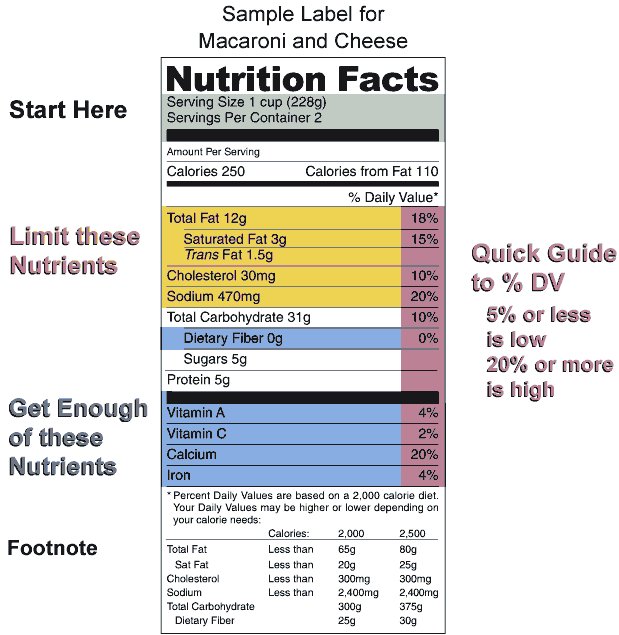
- Read and talk about the nutritional information on product labels.
- Educate Yourself. Read, research, and talk about “healthy eating,” “junk food,” “fast food advertising,” “persuasive techniques in Advertising,” and similar terms.

- Watch the superb documentary Supersize me where Morgan Spurlock personally explores the consequences that a diet of solely McDonald’s food for one month has on his health. Another interesting one is The Story of Stuff. It is a 20-minute, fast-paced, fact-filled look at the underside of our production and consumption patterns. The Story of Stuff exposes the connections between our consumption and a huge number of environmental and social issues, and calls us together to create a more sustainable and just world.
- Ideally, you could take consumption decisions together as a family
If we all change our buying and consuming habits and put pressure on our politicians and fellow citizens through social media, video sharing sites and apps, and political activism, big corporations and companies will follow suit and will stop making junk food, polluting the environment, and designing products with a limited lifespan.If we want to get anything done, we need to be the change we want to see in the world and lead by example.
